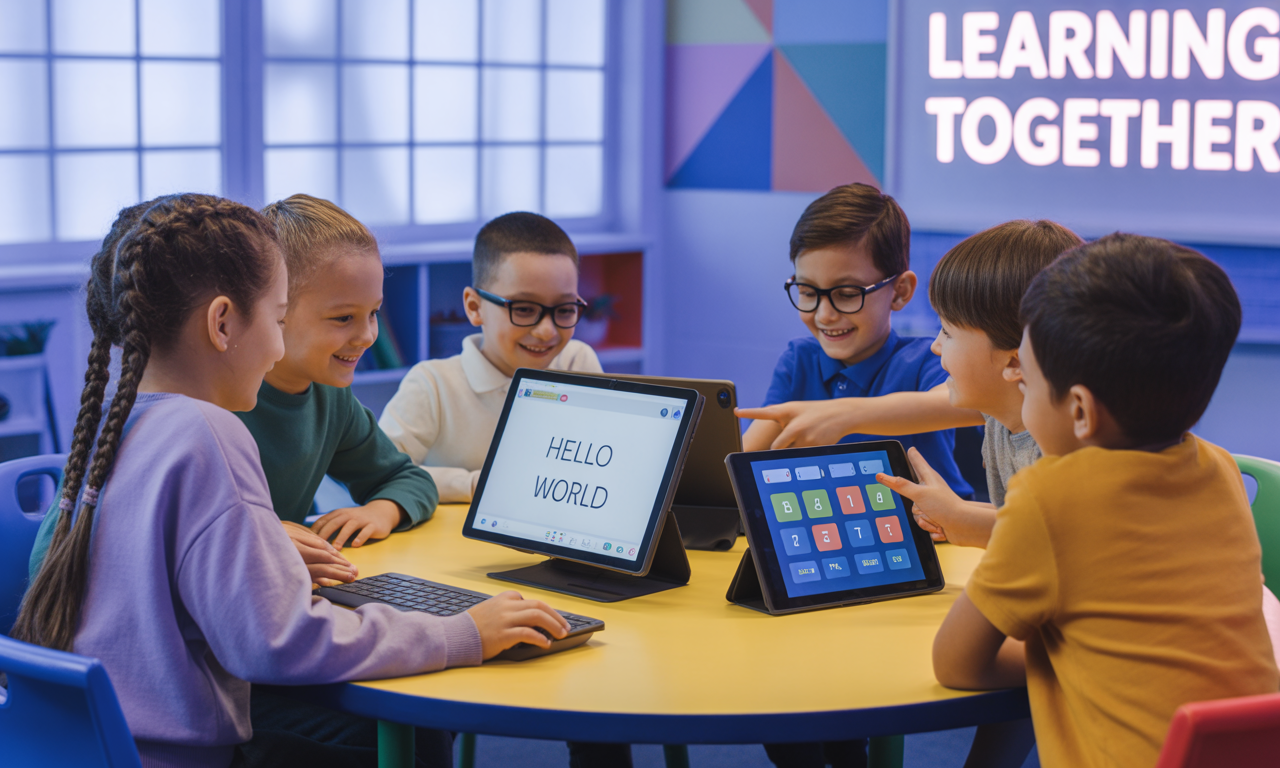
This course will prepare participants for teaching Health and Family Life Education (HFLE) at the secondary level. It will provide teachers with the basic knowledge and skills needed to implement the Health and Family Life Education curriculum using a life skills approach. This approach includes background information on HFLE, life skills education, methods used to teach life skills, and alternative assessment methods.
The Course Outline is below:
UNIVERSITY OF GUYANA
FACULTY OF EDUCATION & HUMANITIES
DEPARTMENT OF CURRICULUM & INSTRUCTION
COURSE OUTLINE
EDC2301: Life Skills Education
Semester 3
Number of Credits: 3
Course Description
This course will prepare participants for teaching Health and Family Life Education (HFLE) at the secondary level. It will provide teachers with the basic knowledge and skills needed to implement the Health and Family Life Education curriculum using a life skills approach. This approach includes background information on HFLE, life skills education, methods used to teach life skills, and alternative assessment methods.
Exemptions: Nil
Pre Requisite: Nil
Follow-on-course: Nil
Student Learning Outcomes:
After participating in this course, students will be able to:-
- justify the need for Health and Family Education in secondary schools in Guyana;
- describe the characteristics of an ideal HFLE teacher;
- explain theories supporting Life Skills Education;
- make decisions about strategies to teach life skills;
- demonstrate competency in using interactive teaching strategies; and
- select and use appropriate forms of alternative assessment in the HFLE classroom.
COURSE CONTENT
WEEK 1 Overview of course
· Define HFLE.
· The rationale for HFLE in secondary education.
· The HFLE teacher: The characteristics and functions of an HFLE teacher.
· Approaches to teaching a life skills based HFLE programme:
i. Discipline Based ii. Integration
WEEK 2 Life Skills Education
Theoretical Perspectives
· Theories supporting life skills education.
- Child and Adolescence Development
- Constructivist Psychology
- Social Learning Theory
- Problem Behaviour Theory
- Social Influence Theory
- Multiple Intelligences
- Resiliency Theory
WEEK 3 Life Skills Education
· Define Life Skills Education.
§ Value and importance of Life Skills Education
· Benefits of developing good life skills among children and adolescents.
· Categories and types of life skills
- The three categories of core skills: social skills, cognitive skills, emotional/coping skills.
- Examples of life skills - decision making skills, problem solving skills, effective communication skills, empathy, coping with stress.
· Using life skills to promote positive health behaviours.
· Translating specific life skills into action.
WEEK 4 Teaching Methods
· Define interactive teaching methods/participatory learning- traditional and nontraditional methods.
· Reasons for using interactive teaching methods in HFLE.
· The role of the teacher in interactive teaching.
· Creating a classroom atmosphere that is conducive for learning in HFLE: How to create classroom rules and a respectful learning environment: Techniques for critiquing and giving feedback in the classroom: Strategies for dealing with special problems: Helping anxious and overzealous students
· Small groups/buzz groups
· Situation analysis and case study
· Debates
· Story telling
· Role play
· Brainstorming- How to conduct effective brainstorming sessions in the classroom.
· Class discussion- Benefits and Limitations
· Effective use of the strategies listed above in HFLE.
· Benefits and limitations of games and simulations in HFLE.
· Benefits and limitations of using the strategies listed above in HFLE.
WEEK 5 Group Assignment Presentation on Teaching Methods
WEEK 6 Performance Assessment
· Define assessment, alternative assessment and performance tasks.
· Purpose of assessment in education.
· Characteristics of performance tasks.
· Benefits and limitations of various forms of alternative assessment.
- Portfolios, journals, oral presentation, power point presentation,
- Puppet show, models, demonstration, research
Week 7 Alternative Assessment
· Creating and using performance tasks and rubrics for assessing students’ work.
· Portfolio assessment.
- Rationale for portfolio assessment.
- Essential elements of a portfolio.
- Managing the portfolio.
- Involving parents in portfolio assessment.
- Evaluating the portfolio.
- Creating a portfolio worksheet.
Submission of Individual Assignment
Week 8 Review of Work done/Assessment 3
Methodology
Teaching details
The course will be delivered online using a combination of teaching strategies, such as whole group lectures and seminars, small group discussions, demonstrations and critical analysis of readings.
Participants will also be encouraged to draw upon, share and reflect on their own professional expertise.
ELearning
ELearning approaches will be used to facilitate class support within the broad parameters of this course. These will include on-line discussion with individuals and groups forums, guidance and feedback.
ASSESSMENT
Course work: 100%
In-class Presentation (Group Work) 30% Presentation on Life Skills Week 5
Objective Type Test 30%
Critical Analysis - Individual 40%
For the Research Paper, students will be asked to choose a topic from those presented, and using the conceptual resources presented in the course and those they have pursued, develop a critical analysis of that issue or topic area in the form of a 1,500 word report.
Required Reading
Kelly-Plate, E. (2007). Applying Life Skills. New York: Mc. Graw-Hill.
King-Cameron, C. (n.d). The importance of life skills acquisition in relation to Global
Citizenship: Empowering citizens with life skills for healthy living. Georgetown: School
Health Nutrition HIV and AIDS UNIT.
Recommended Reading
Health and Family Life Education (2006). Resources Guide for Teachers. Kingston: Ministry of
Education
Health and Family Life Education (2009). Resource Handbook. 2nd (ed.). Kingston: Ministry of
Education.
Nanaware, R.B., & Palanethra, L. (2017). Effectiveness of life skills education programme among
CBSE and State Board students: An Exploratory Study. International Journal of Research
in Social Sciences. 7(11), 121-135.
Pan American Health Organization (2001). Life Skills: Approaches to Child and Adolescent
Healthy Human Development. New York: Education Development Center, Inc.
United Nations Children Fund (2002). Children in Focus. 15(2), 4-12.
United Nations Children Fund (2012). Global Evaluation of Life Skills Education Programmes.
New York: UNICEF.
World Health Organization (1996). Life Skills Education: Planning For Research. Geneva: WHO.
© 2025-2026